
Confessions of a Couch Photographer
10 WAYS TO GET YOUR FOJO WORKING By John Botton As I staggered to the summit of North Ridge on my…

10 WAYS TO GET YOUR FOJO WORKING By John Botton As I staggered to the summit of North Ridge on my…
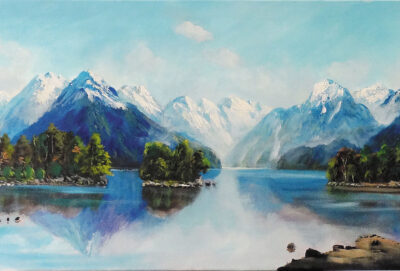

I become an artist by starting a gallery and having an interest in other artists styles and way of life. I have painted with a few known NZ artists and honed my skills that way. My biggest motivating factor is the stress relief that painting as a professional full time artist gives me. This new life, of course, comes with a list of new stresses but they are mild in comparison to the life I lead before becoming an artist.


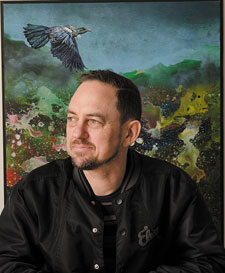
Inspired by New Zealand’s environment and the patterns that occur in nature, by geometry, coral, Arabic mosaics, and ancient architecture, I have been making artworks for 22 years, including music, jewellery, sculpture and festival dressing. In 1991, immediately after finishing high school I was pre-enrolled at Law school at Waikato University.
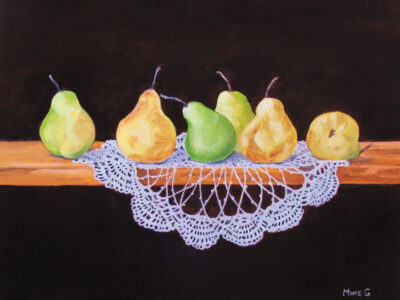
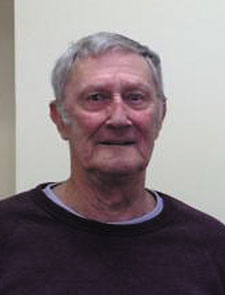
Mike left school at 15 and played football until he retired aged 33, intending to be a full time artist. As all artists do, Mike found it hard to exist on the income from his art and decided to start his own domestic fencing business. In this business, he not only did fencing, but retaining walls, decking and landscaping, designing all jobs himself.
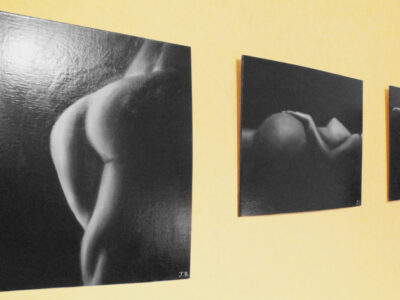

Jacob passed all other subjects, except art. Looking at what he is doing now, it seems crazy. He received much support from his teachers and parents, thankfully, and has gone on with his art regardless. “The response I got from each painting was the motivating factor.
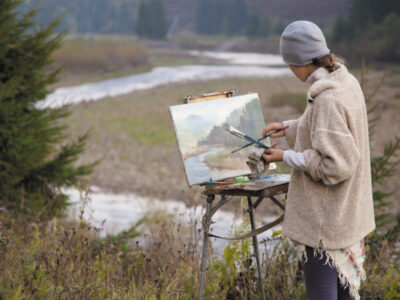
As any ‘plein-air’ artist will know, there is not always a car to sit in and paint, the luxury of looking out of your studio window, or even a policeman in a city street when you desperately need one. You can make your own judgement of the weather, or if you can afford it, book a room with an incredible view in some of the worlds’ most beautiful places. That’s all very well, but gosh it’s dangerous out there.
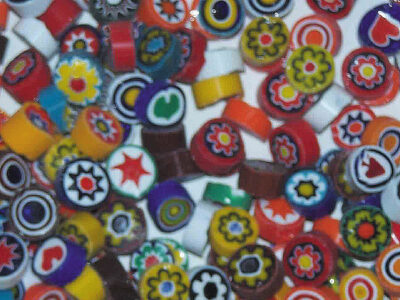
WHAT IS MILLEFIORI Millefiori is a glasswork technique which produces distinctive decorative patterns on glassware. The term millefiori is a combination…
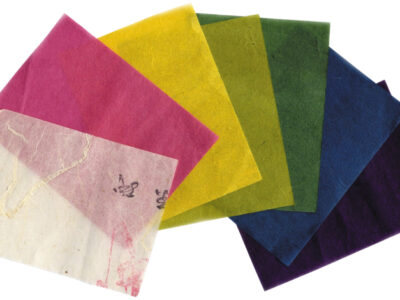
Later in 610AD a Korean monk took this skill with him to Japan, where it flourished and became an elevated craft form. The Silk Route was the next conduit for the spread of papermaking into the Islamic world; Persia, the Arabian Peninsula, North Africa, and finally the Iberian Peninsula and into Europe. These regions had access to local or imported fibres of cotton, hemp, abaca, & European flax (Linum Usitatissimum).
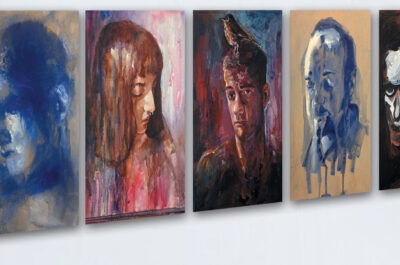
 PATIENCE, PERSERVERANCE AND TALENT
This left Simon Lundqvist experiencing difficulty with concentration and a lot of free time on his hands. He became obsessed with drawing and sketching, finding he could focus on this and it made him feel better. “I think that single-mindedness really helped me to learn and develop. Ever since childhood I have been infatuated the idea of being an artist and this has grown stronger over time. I’m just really in love with the process of painting and I can think of nothing better than spending my days making art.”

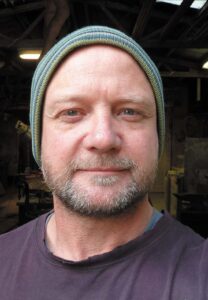 LOST AND FOUND
Having studied at the Foundation of Fine Arts in Whitirea, Jonathan had just picked up his skills when a French wool buying company approached him to produce about 200 castings, to celebrate their centenary. “They had seen my work in a group show and had tracked me down. It was complete luck and it enabled me to set up with decent equipment right away.”
You cannot copy content of this page