MORE ABOUT GICLÉE PRINT
Established by recognised artists to provide a dedicated high-end archival reproduction service to fellow artists, NZEditions is arguably New Zealand’s leading specialist provider of archival prints.
Aotearoa Artist invited them to explain just what it takes to produce museum quality prints and offer some advice to artists looking to reproduce their artwork. Owner, Fine Art Printer and artist Grant Lewis responds.
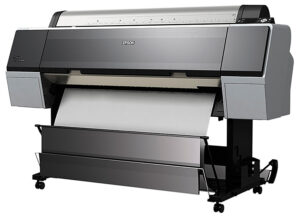
Grant says to be a specialist provider of archival prints, also referred to as Giclée’s, requires the correct equipment and a full knowledge and application of a Colour Management system enabling workflow management, coupled to customised profiling and calibration of all equipment involved in the process. “Without these elements it is impossible to produce prints that represent the original to a high degree of accuracy.”
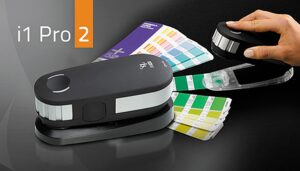
NZEditions employ the latest digital imaging technologies archival pigment printers from Epson along with a state of the art colour management solution from X-Rite, which provides a ‘What you see’ on EIZO monitors ‘is what you get’ printed on Epson Series x900 Epson Professional Graphics printers. “We offer sound advice and support with real world experience,” Grant continues. “We personally use all of the substrates here in reproductions of our own artworks! “Being artists ourselves makes the process of producing prints with a full understanding and respect for our customers’ works and the nuances that make it theirs. Every single person receives personalised service to suit their specific needs and requirements.”
The elements
Grant emphasises that the digital capture of the artwork is the most important of all steps in the entire process of producing a museum quality Giclée print. “If the captured image is poor, the whole process will be poor. We recommend artists contact us before having any scans or photographs taken of their artwork as we have specialised target files that also need to be captured and that significantly enhance the accuracy of each reproduction printed. “Some of our artists have purchased their own targets to be included in the capture process. Artworks captured in this way means that we can reproduce artwork without having to see the original piece of work.”
Pointers
When deciding on which fine art printer to have your artwork printed by, bear in mind some of the following points:
- The printer should have an excellent working knowledge of the substrates (papers and canvases) that are used to reproduce your artwork faithfully.
- These substrates should be the very best that the industry provides. It is imperative that the printer only uses high-end ink sets that are pigment and archival in nature.
Suppliers
When choosing a printer make sure you work with fine art printers that offer a print on demand service. This means you can order as little as a single print of your artwork at a time and not printing all the prints at once, something which can cost a lot of money. Negotiate with your printer on the cost differences between printing a limited numbers of prints against the printing entire batch at once.
 Make sure the printer uses a Digital Asset Management system to safeguard the files used in your limited and open editions process. In other words, make sure the printer keeps an exact duplicate.
Consider the following scenario: The printer’s hard drive fails and the files used to create your editions are corrupted or destroyed. What would you do? Creating another master file exactly the same as the original can be quite complex if not impossible in some circumstances. So make sure the fine art printer has an on-site and off-site backup of all working files used in edition runs. (NZEditions uses a localised NAS personal cloud storage system).
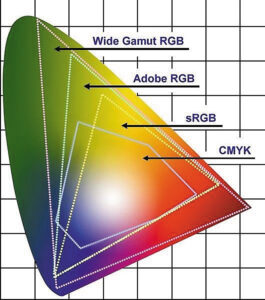
Colour management plays a key role in any fine art print studio. If a printer has a ‘she’ll be right’ attitude and doesn’t use any form of colour management and basically does things by eye, run as fast as you can and find a fine art printer that uses a quality colour management system.