
Joanne Luker
ABOVE: Rangitoto Porcelain SHARDS OF JOY Born in the UK, Joanne Luker loved art at high school: “I have always enjoyed…

ABOVE: Rangitoto Porcelain SHARDS OF JOY Born in the UK, Joanne Luker loved art at high school: “I have always enjoyed…

ABOVE: Sonja with her Tasman National Art Award Merit Award painting - 'Everything but the bowl' GOOD FOR THE SOUL “Oil…

“I taught my husband on the train how to use the second camera: I set it on Green and continuous, my usual mode. We went to Windsor Castle, and met the Queen’s Diary Secretary and the Footman, who was OC Dogs during her absence. Thank goodness the Queen was not actually there that day, I don’t think I could have managed the social area and the unaccustomed nuances and curtseying requirements while concentrating on photographing each of the seven dogs.


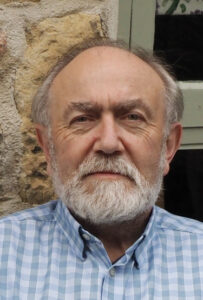
“But my method is very much the same no matter what I am painting,” he says. “I usually square up a picture, so draw a grid on a print of a photograph I am working from. I transfer that onto the surface I am working on and go from there. Quite often a complicated painting can take anything up to a month to draw out, even before I have started painting.” Tony’s painting of a leopard took a month to draw out and another five months to paint.

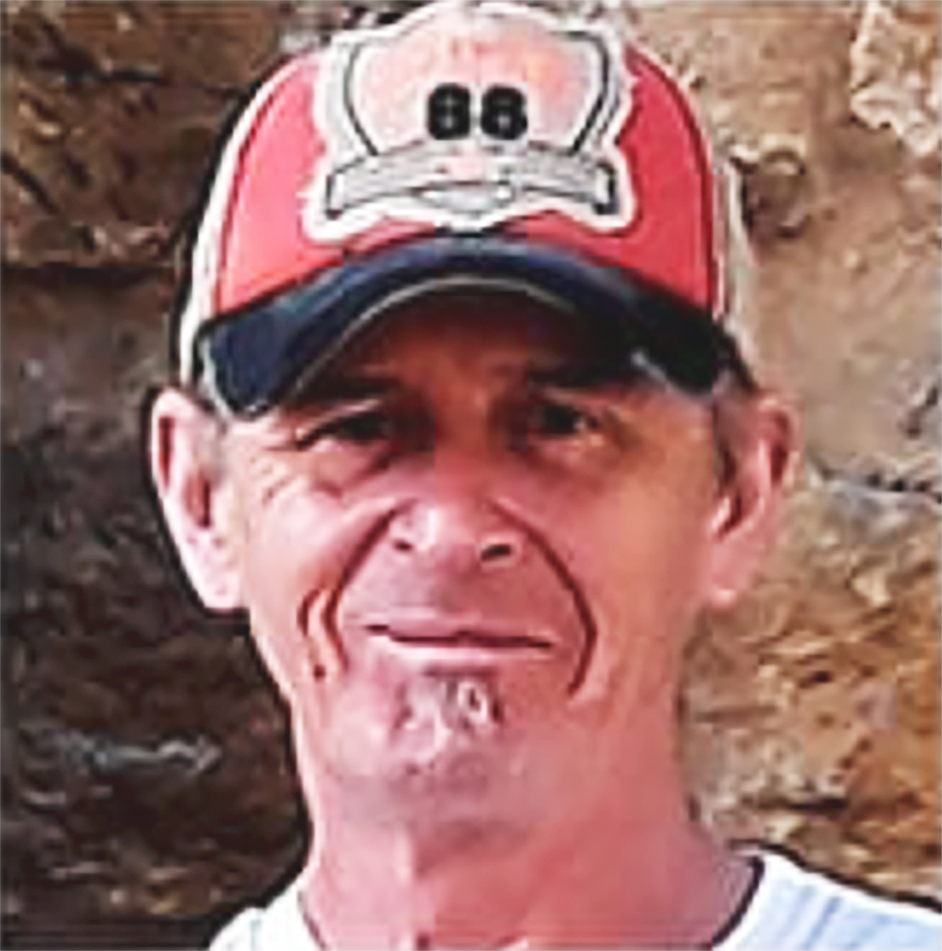
“When I first moved to Wales I got involved with shearing on the farm where I was living,” recalls the successful oil painter. “I was gathering and wrapping the wool - I didn’t actually do the shearing because it takes quite a lot of skill to do that. It’s a yearly event. New Zealanders and Māori’s used to come over. It was a good cultural exchange. Local shearers used to have a circuit where they would start off in Wales, then go to Canada and on to New Zealand, returning to Wales. They would just do a circuit round the world, shearing. You would see these guys stripped to the waist absolutely dripping in sweat and crikey they’d get through some sheep. They’d have a counter that they’d click when they’d done one. Half the time they were just wrestling sheep. The sheep weren’t taking too kindly to it especially when there were rams.”


“I can draw recognisable people with just a few lines without any real trouble,” he reveals. “I’ve been doing political cartoons. They’re an expression of my annoyance. Cartoons are caricatures really. Say I’m doing a cartoon of British Prime Minister Boris Johnson… I can do the shape and the way he stands without too much effort. I look at a couple of other people’s cartoons of him and see that they all have little piggy eyes and droopy eyelids. For me the thing that makes Boris look like Boris is the hair, the round face, the fat body and the shabby suit. It doesn’t really need any additional features. That cartoon could be Donald trump or Boris Johnson. In order to produce political cartoons you have to stay abreast of the news but in order to stay sane you have to not stay abreast of the news! It’s a difficult tight rope to walk. I have always recognised people by their shape, the way they move, the way they walk, rather than by their faces. If I’m painting someone then those are the characteristics that are most important to me.”

Gerry Defries, who considers himself a colourist in the impressionist style, has exhibited widely in England, America and France. He paints…


Born in Dover, Kent, James spent much of his early life among the chalk Downs and picturesque Weald of Kent. For hundreds of years this county has been referred to as The Garden of England with its gentle hills, fertile farmland, orchards and cultivated country estates such as Penshurst Place, Sissinghurst Castle and Hall Place Gardens. Historically the coastal houses here were used as a location to dry hops for the brewing process. Perhaps unsurprisingly the county is home to Britain’s oldest brewer, Shepherd Neame, whose brewery was established in 1698 but “there is clear evidence that its heritage pre-dates even this period” according to the brewer. Today award winning English wines are produced here, too. Magnificent coastal views and the world-renowned White Cliffs of Dover together with Kent’s rolling green hills and beautiful scenery provide an artist with plenty of inspiration.

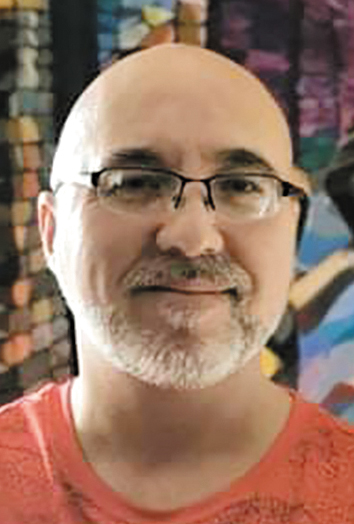 Marc currently lives in Christchurch and has never had any formal training in art. He says his major interest in art stemmed from secondary school in Scotland, when he was selected to represent his school in regional art programmes.
“I like to experiment with colour and find inspiration everywhere. I don’t focus on other artists’ work but the vibrant art scene in Christchurch has inspired me to create more art in the last 24 months than I did over the last twenty years. Due to this, my art has evolved significantly in the past 18 months and I am now considered to have evolved a style.”
You cannot copy content of this page